55 Results for "

Magnolia grandiflora L.

" in MedChemExpress (MCE) Product Catalog:
Products (55)

55 Results for "Magnolia grandiflora L." in MCE Product Catalog:

7
7 Publications Verification
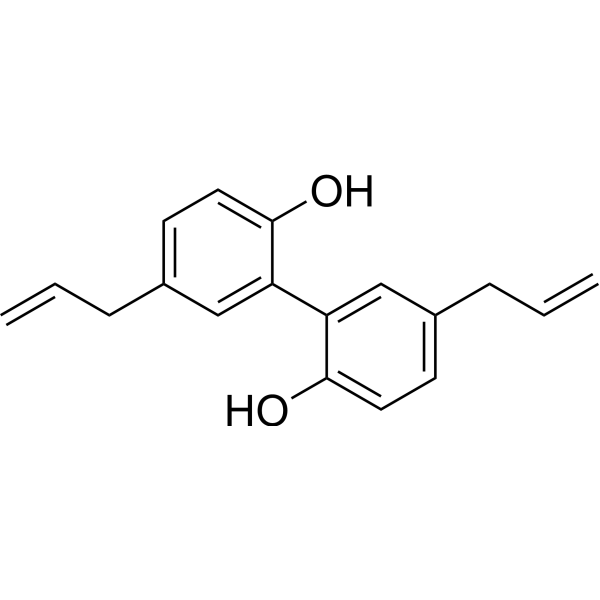
Cat. No.: HY-N0163
CAS No.: 528-43-8
Magnolol, a natural lignan isolated from the stem bark of Magnolia officinalis, is a dual agonist of both RXRα and PPARγ, with EC50 values of 10.4 µM and 17.7 µM, respectively.
4
4 Cited Publications
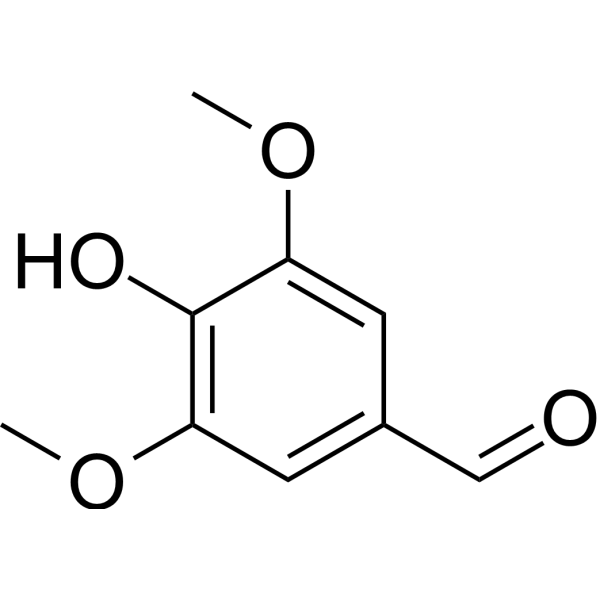
Cat. No.: HY-N1390
CAS No.: 134-96-3
Syringaldehyde is a polyphenolic compound belonging to the group of flavonoids and is found in different plant species like Manihot esculenta and Magnolia officinalis . Syringaldehyde moderately inhibits COX-2 activity with an IC50 of 3.5 μg/mL . Anti-hyperglycemic and anti-inflammatory activities .
2
2 Cited Publications
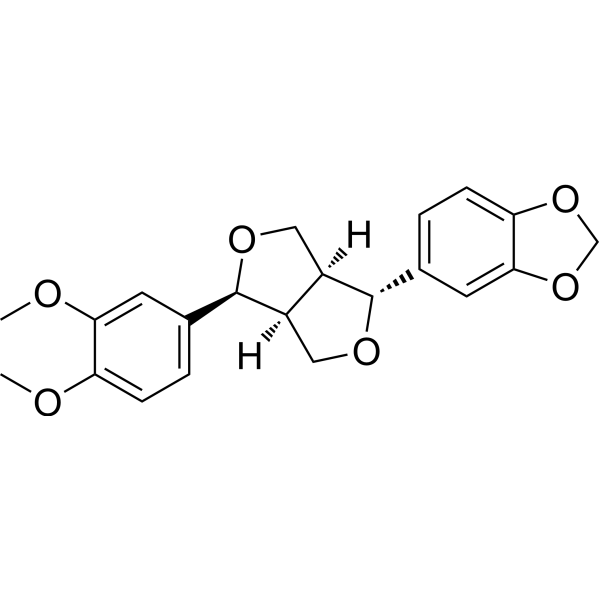
Cat. No.: HY-N0719
CAS No.: 31008-19-2
Fargesin is a bioactive neolignan isolated from magnolia plants, with antihypertensive and anti-inflammatory effects .
2
2 Cited Publications
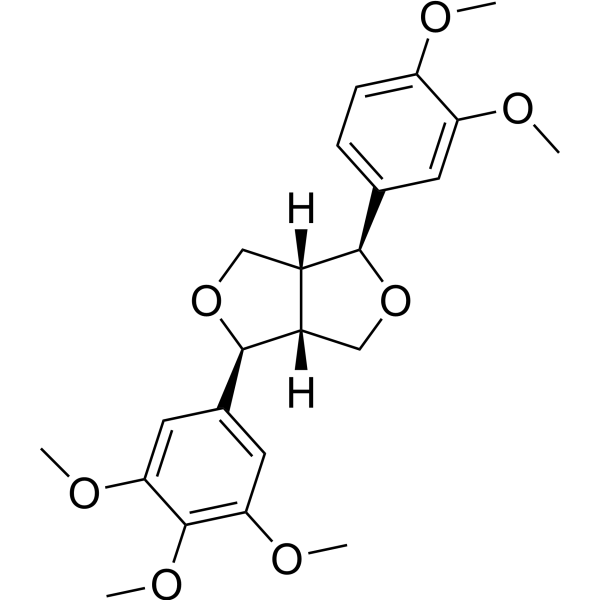
Cat. No.: HY-N1374
CAS No.: 31008-18-1
Magnolin, a major component of Magnolia liliiflora, inhibits the Ras/ERKs/RSK2 signaling axis by targeting the active pocket of ERK1 and ERK2 with IC50s of 87 nM and 16.5 nM, respectively.
1
1 Cited Publications
Cat. No.: HY-N8259
CAS No.: 83864-78-2
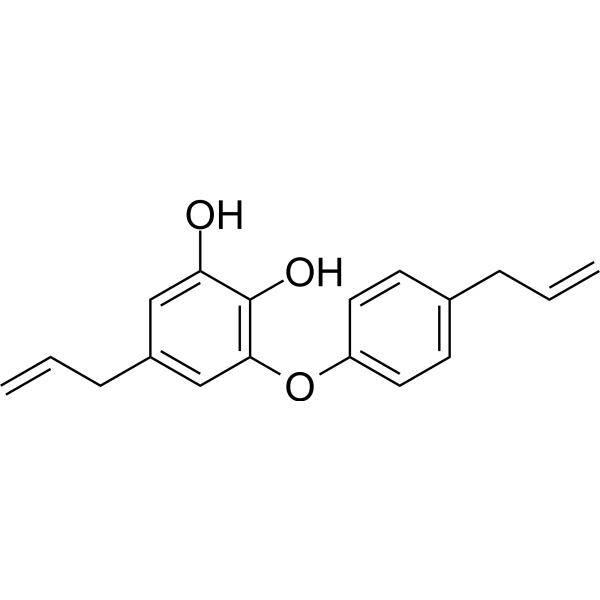
Obovatol is a biphenyl ether lignan isolated from the leaves of Magnolia obovata Thunb .
Cat. No.: HY-U00450
CAS No.: 68592-15-4
4-O-Methyl honokiol is a natural neolignan isolated from Magnolia officinalis, acts as a PPARγ agonist, and inhibtis NF-κB activity, used for cancer and inflammation research.
Cat. No.: HY-N2180
CAS No.: 29106-36-3
Synonyms: (+)-Eudesmine
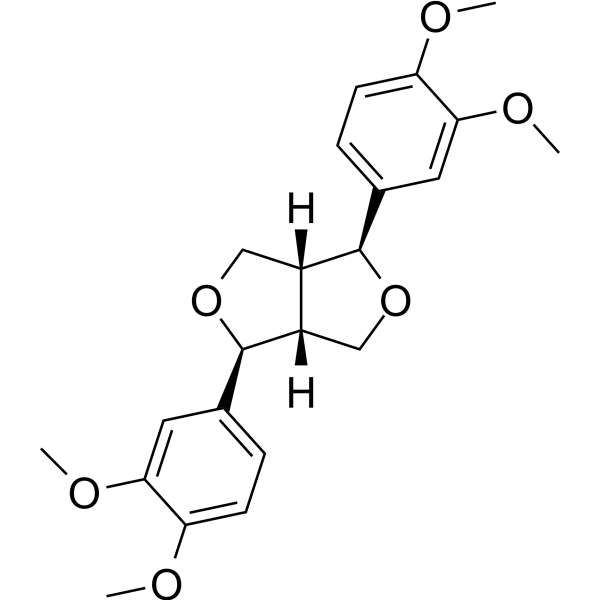
Pinoresinol dimethyl ether ((+)-Eudesmin) is a non-phenolic furanoid lignin. Pinoresinol dimethyl ether can be isolated from Magnolia biondii. Pinoresinol dimethyl ether activates MAPK, PKC, and PKA upstream pathways and inhibits NO levels. Pinoresinol dimethyl ether has neuroprotective activity .
Cat. No.: HY-N3228
CAS No.: 89786-84-5
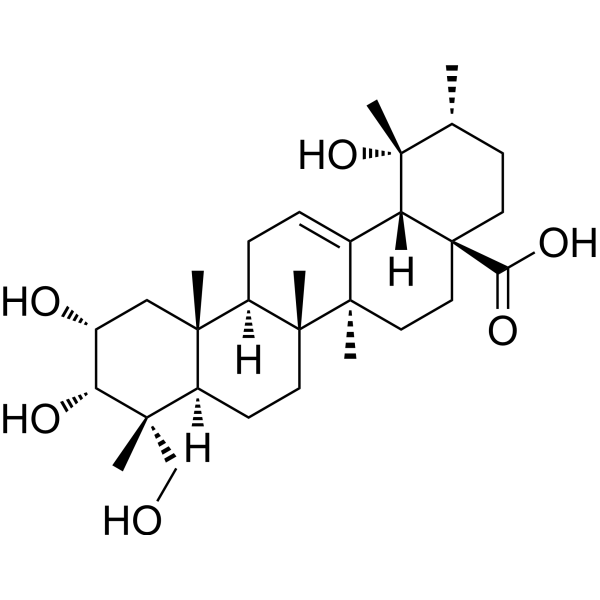
Myrianthic acid is a pentacyclic triterpenoid compound. Myrianthic acid can exist in the root wood of Myrianthus arboreus and the leaves of Campsis grandiflora. Myrianthic acid inhibits adrenaline-induced platelet aggregation, with a IC50 of 46.2 μM for this activity. Myrianthic acid can be used in studies related to thrombosis .
Cat. No.: HY-N7512
CAS No.: 6871-21-2
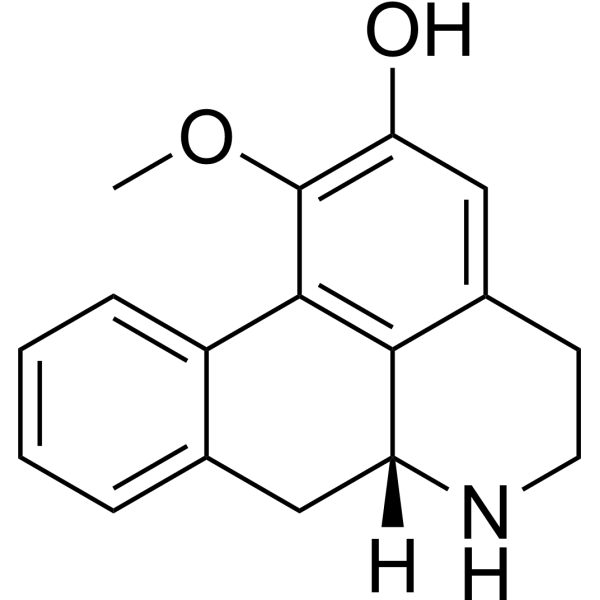
Asimilobine is an aporphine isoquinoline alkaloid isolated from plant species of Magnolia obobata Thun. Asimilobine is a dopamine biosynthesis inhibitor and a serotonergic receptor antagonist. Asimilobine shows an antimalarial and anti-cancer activity .
Cat. No.: HY-126535
CAS No.: 116872-05-0
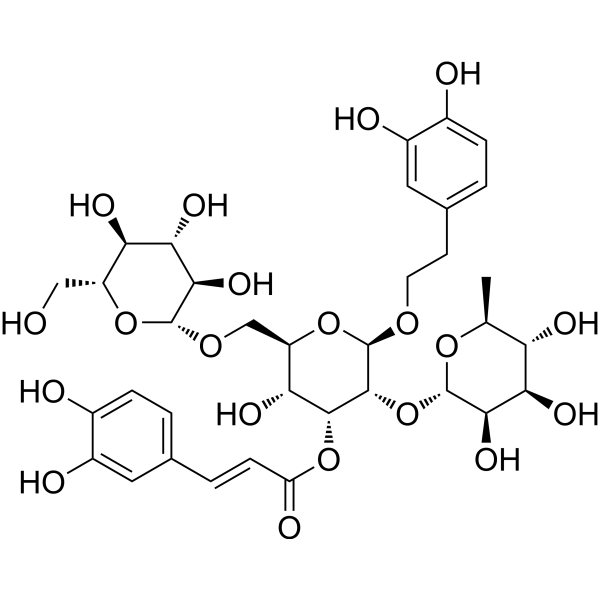
Magnoloside B is an α-glucosidase inhibitor (IC50=0.69 mM), which can be obtained from Magnolia officinalis stem bark. Magnoloside B shows moderate inhibitory activity against MGC-803 and HepG2 cells. Magnoloside B has the potential to study cancer and diabetes .
Cat. No.: HY-N16516
CAS No.: 146428-62-8
Velutinam is an alkaloid. Velutinam can be isolated from twigs of Uvaria grandiflora Roxb. Velutinam shows antioxidant activity. Velutinam can be used in the research of bacterial infections .
Cat. No.: HY-N12545
CAS No.: 1945997-27-2
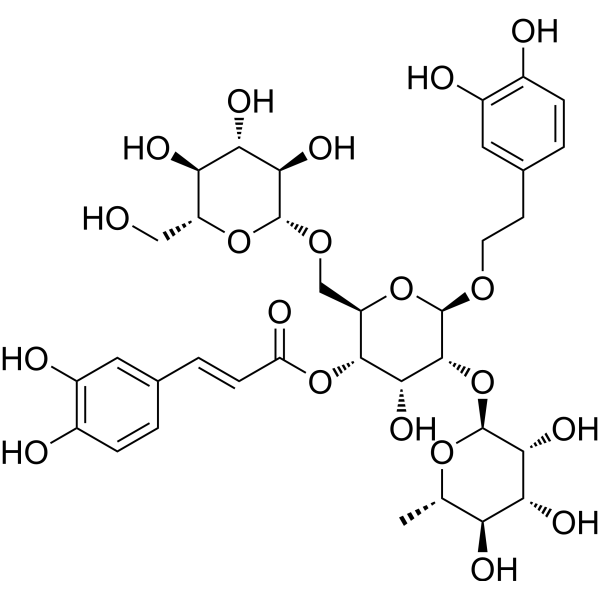
Magnoloside F is a natural compound that can be isolated from the Magnolia officinalis, and has antioxidant activity .
Cat. No.: HY-N8219
CAS No.: 151538-56-6
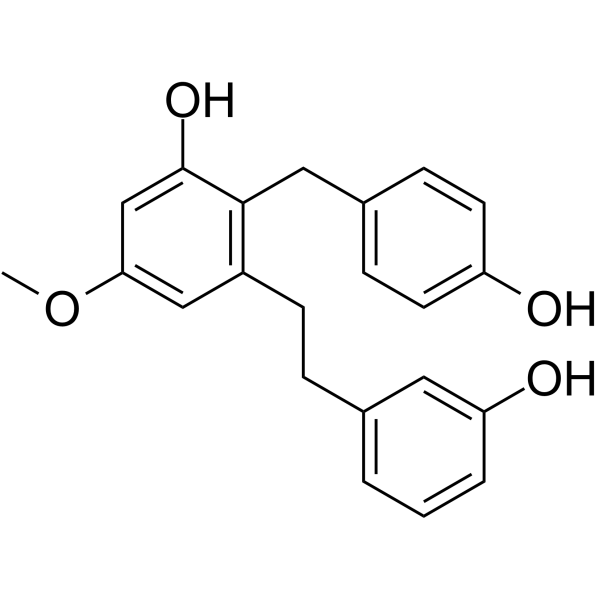
Isoarundinin II is a bibenzyl compound found in the pseudobulbs of Pleione grandiflora (Rolfe) Rolfe. Isoarundinin II scavenges DPPH free radicals .
Cat. No.: HY-N2052
CAS No.: 78804-17-8
Synonyms: Zeylenol
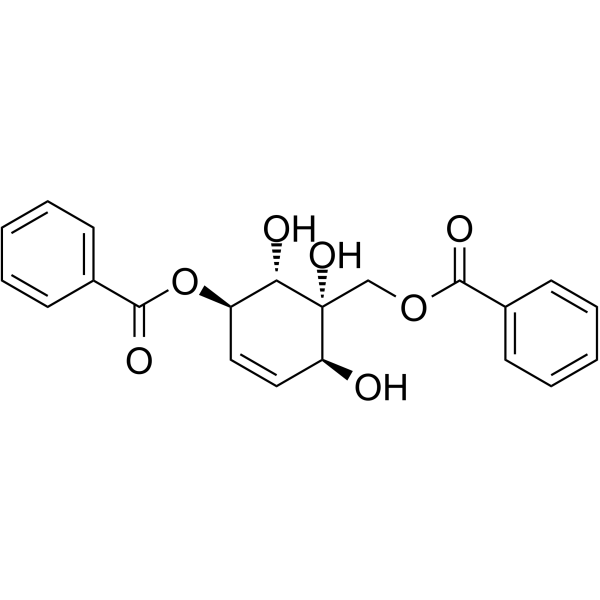
(-)-Zeylenol, isaolated from stems of Uvaria grandiflora, possesses anti-inflammatory and anticancer activities .
Cat. No.: HY-N5023
CAS No.: 19950-55-1
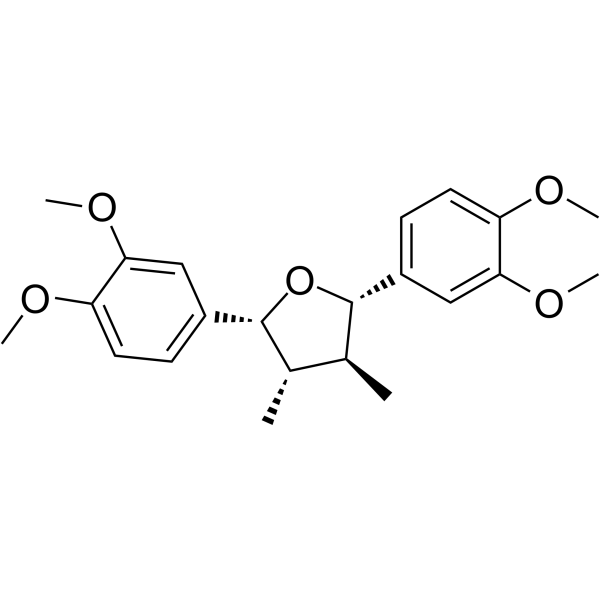
Veraguensin is a lignan compound derived from Magnolia sp.. Veraguensin can inhibit bone resorption
Cat. No.: HY-W711045
CAS No.: 2609-23-6
Deoxygeraniol, a monoterpenoid, has been reported in Camellia sinensis, Magnolia sieboldii, and Zingiber officinale. It is commonly used as an intermediate in the synthesis of fragrances or flavorings.
Cat. No.: HY-N15660
CAS No.: 507-61-9
Azafrin, a carotenoid, is one of the most abundant active ingredients in C. grandiflora. Azafrin increases HO-1, NQO1, and Nrf2 expression. Azafrin shows cardioprotective effect against myocardial injury via activation of the Nrf2-ARE pathway. Azafrin can be used for research of cardiovascular diseases .
Cat. No.: HY-N12496
CAS No.: 68592-18-7
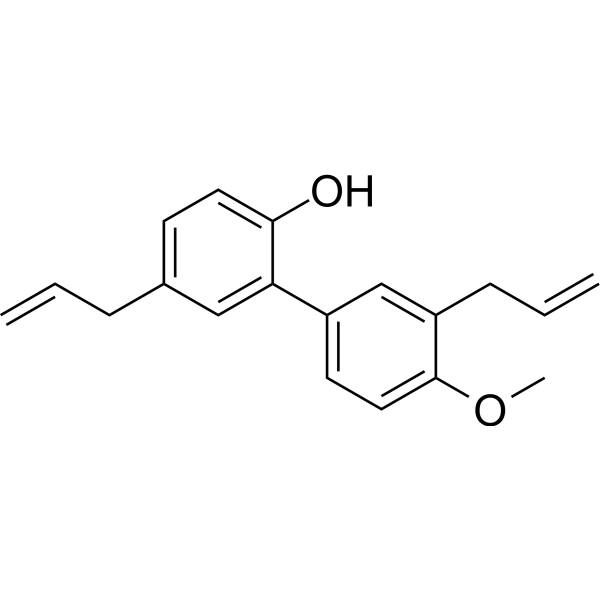
Di-O-methylhonokiol is a natural phenolic compound that can be isolated from magnolia flowers. Di-O-methylhonokiol has significant antibacterial activity against Gram-positive bacteria, acid-fast bacilli, and yeast-like and filamentous fungi. Di-O-methylhonokiol can be used in the study of fungal infections .
Cat. No.: HY-119398
CAS No.: 23740-25-2
Purity:  98.27%
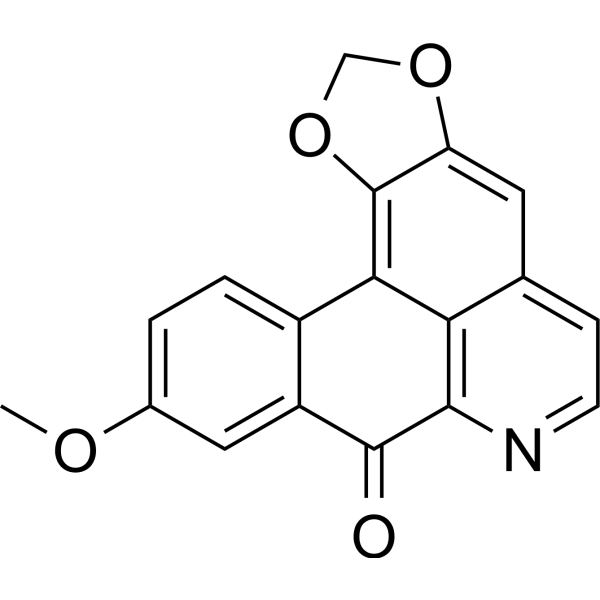
Lanuginosine is an alkaloid. Lanuginosine can be isolated from the stems of Xylopia laevigata (Annonaceae) and the leaves of Magnolia grandiflora. Lanuginosine induces Apoptosis. Lanuginosine inhibits AChE (IC50: 10.9 μM). Lanuginosine inhibits aggregation. Lanuginosine exhibits anticancer activity against hepatocellular carcinoma, human promyelocytic leukemia, human chronic myeloid leukemia, melanoma, and brain tumors. Lanuginosine can be used in the research of Alzheimer's disease .
Cat. No.: HY-N3973
CAS No.: 61186-24-1
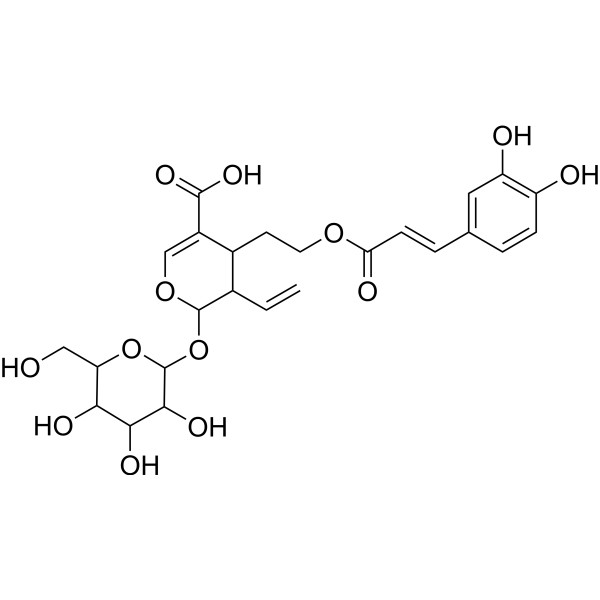
Grandifloroside is a natural product that can be found in Anthocleista grandiflora .

